Apply for Partnership

Brand Identity: How Fast Growth Turns Premium Brands Into Generic Listings – And How to Reverse It
-
 August 15, 2026
Growing on marketplaces doesn’t mean your brand has to become just another product listing. That fear is a real one, though, and it’s earned. Plenty of brands have watched their identity flatten out the moment they scaled across marketplaces, until a product that once felt premium started looking like everything else on the page.
The strongest brands don’t sacrifice quality for growth. They use growth as an opportunity to strengthen how customers experience the brand at every single touchpoint.
Your brand is more than your logo
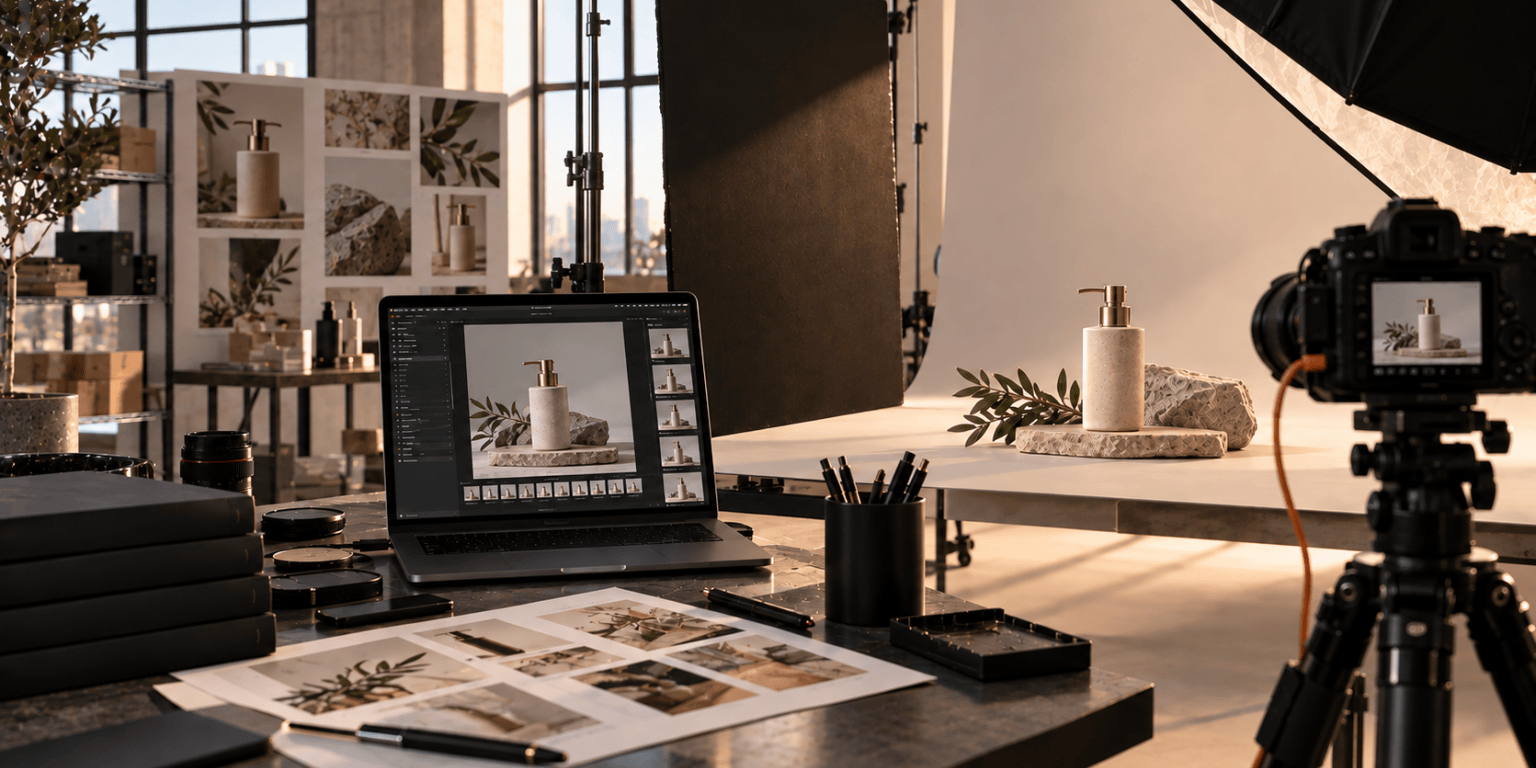
It’s tempting to think of branding as the logo, the color palette, the font. Those are the smallest part of it. On a marketplace, your brand is the main image a shopper sees in search results. It’s the photography that shows what the product actually looks like in someone’s home. It’s the listing copy that either explains the product clearly or leaves the shopper guessing. It’s the infographics that teach a customer how to use what they just bought. It’s the packaging that arrives at their door. It’s the tone in every line of copy, and whether that tone sounds like the same company from the first bullet point to the return policy.
Every interaction a customer has with your product, not just your marketing, contributes to how they perceive the brand. A shopper doesn’t separate “the product” from “the listing” from “the unboxing.” They experience it as one continuous impression, and that impression either earns trust or costs it.
Why marketplace growth can weaken a brand
Scaling fast has a way of quietly eroding the thing that made a brand worth buying in the first place.
Inconsistent product imagery is usually the first crack. A brand launches with a strong hero shot, then adds new SKUs faster than the creative team can keep up, and within a year the catalog looks like five different brands stitched together. Outdated listings pile up the same way. A page optimized two years ago doesn’t reflect current packaging, current messaging, or current standards, and it just sits there converting worse every month. Mixed messaging creeps in when different team members, freelancers, or agencies touch different listings without a shared playbook. Poor-quality creative and generic, templated content are the fastest way to make even a premium product feel like a commodity, because on a crowded search results page, quality is often the only signal a shopper has to go on before they click.
None of this happens because a brand stopped caring. It happens because growth outran the creative infrastructure that was supposed to scale with it. A brand can have an excellent product and still lose sales because the listing doesn’t communicate that excellence.
What brand elevation actually looks like
A premium marketplace presence isn’t an aesthetic preference. It’s measurable, and the data on this is consistent across the industry.
Professional product photography alone has been shown to lift conversion rates significantly compared to low-quality images, and pairing lifestyle photography with clean packshots tends to outperform packshots alone by a wide margin. High-converting main images matter even more on mobile, where the majority of marketplace browsing now happens and shoppers make split-second judgments based on how a thumbnail looks at a glance. Enhanced content modules, what Amazon calls A+ Content, are one of the most reliable conversion levers a brand-registered seller has, with documented lifts that make the investment pay for itself many times over on a well-trafficked listing. Educational infographics that explain how a product works or what problem it solves reduce the guesswork that leads to returns and hesitant buyers. And a well-built Brand Store ties the entire catalog together into one coherent story instead of a set of disconnected ASINs.
None of this is decoration. Good creative builds trust before a customer ever reads a review, improves their understanding of what they’re buying, and removes the friction that keeps an interested shopper from becoming a buyer.
Growth and brand quality can work together
Operational excellence and brand excellence aren’t competing priorities. Treated correctly, they reinforce each other.
Marketplace optimization gets a product found. Creative strategy gets it chosen once a shopper arrives. Listing consistency across every SKU builds the kind of trust that makes a customer comfortable buying a second product from the same brand. Product education reduces returns and improves reviews, which feeds back into better organic ranking. Customer confidence compounds into repeat purchases. And over time, all of it builds brand equity that outlasts any single sales spike.
The revenue case for consistency is well documented. Research on brand consistency across companies has found revenue increases in the range of 10% to 33% tied directly to maintaining a unified brand presentation across channels. That’s not a marginal difference. It’s often the gap between a brand that grows and one that stalls out looking like everyone else in its category.
Brand quality isn’t a luxury that gets added once a brand can afford it. It’s a competitive advantage that matters more, not less, as a brand scales into more marketplaces and more competitive categories.
How Royal Flagship helps
At Royal Flagship, we believe marketplace growth should enhance, not dilute, your brand. From premium product photography and compelling creative assets to optimized listings and cohesive marketplace experiences, our team works to ensure your brand is represented with the same quality and consistency that customers expect everywhere they encounter it.
Growth attracts attention. A great brand earns trust. The companies that achieve both are the ones customers remember long after the purchase.